






Discover everything you need to know about bed bug bites, including photos, symptoms, treatments, and how to get rid of them.
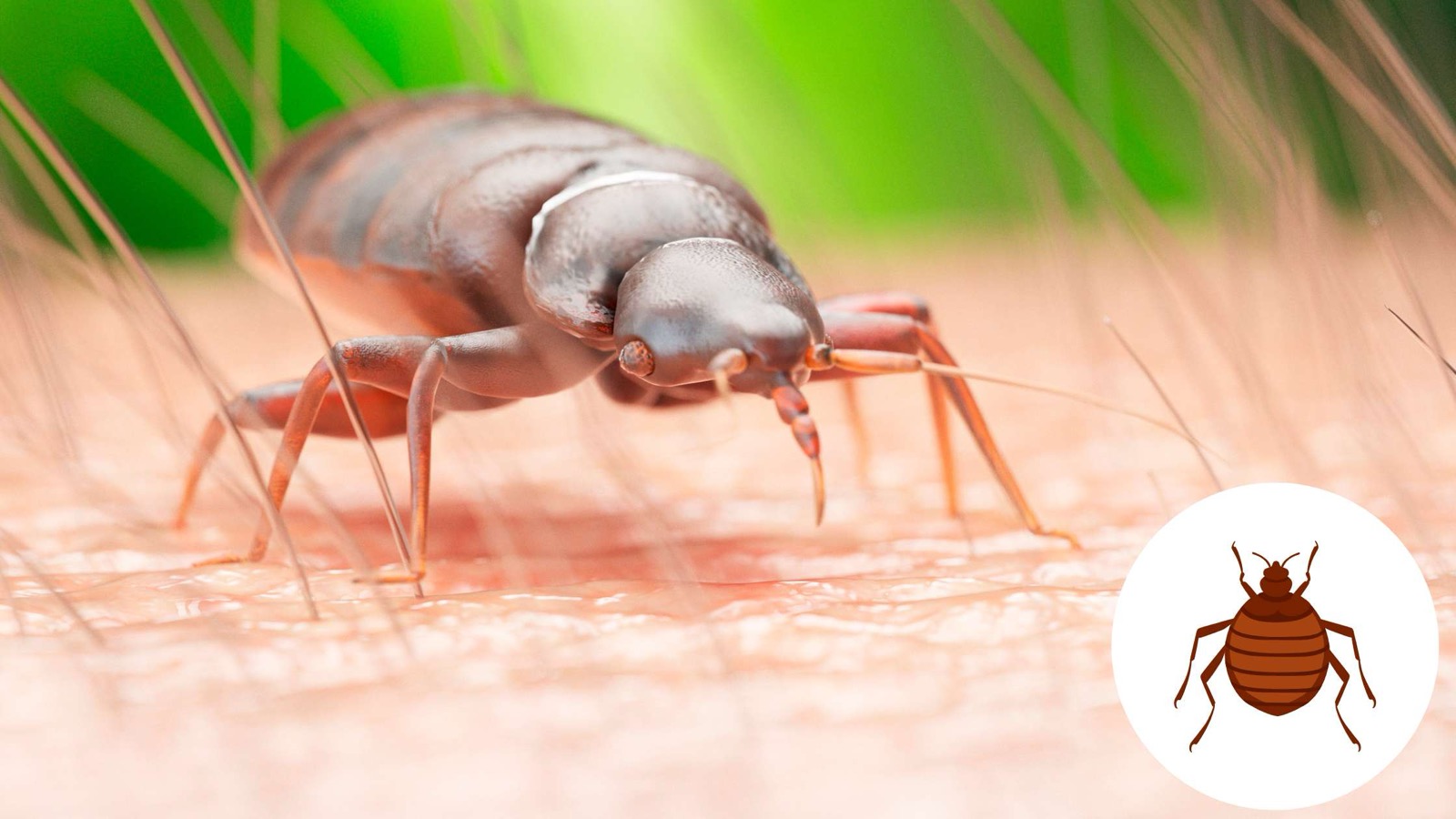
Bed bugs are nocturnal parasites that feed on human blood, causing often unpleasant skin reactions. If you have noticed bed bug bites on your skin and want to learn more, this article will help you recognize the bites, identify their symptoms, and discover the best solutions to treat them. You will also find photos of bed bug bites to better understand their appearance as well as tips to get rid of them permanently.
How to recognise a bed bug bite?
Bed bug bites are often confused with those of other insects. However, they have specific characteristics:
- Appearance: A bed bug bite bump is red, swollen and causes intense itching.
- Pattern: Bed bug bite bumps are usually grouped in a line or in a cluster.
- Area of the body: The areas exposed during sleep (arms, legs, back) are the most affected.
Photos and images of bed bug bites
If you are trying to identify a bite using a bed bug bite photo, here are a few pointers:
- Photos of bed bug bites often show redness in a line.
- A bed bug bite image lets you see how the skin reaction develops.
- Images of bed bug bites sometimes reveal infections caused by excessive scratching.
Symptoms of a bed bug bite
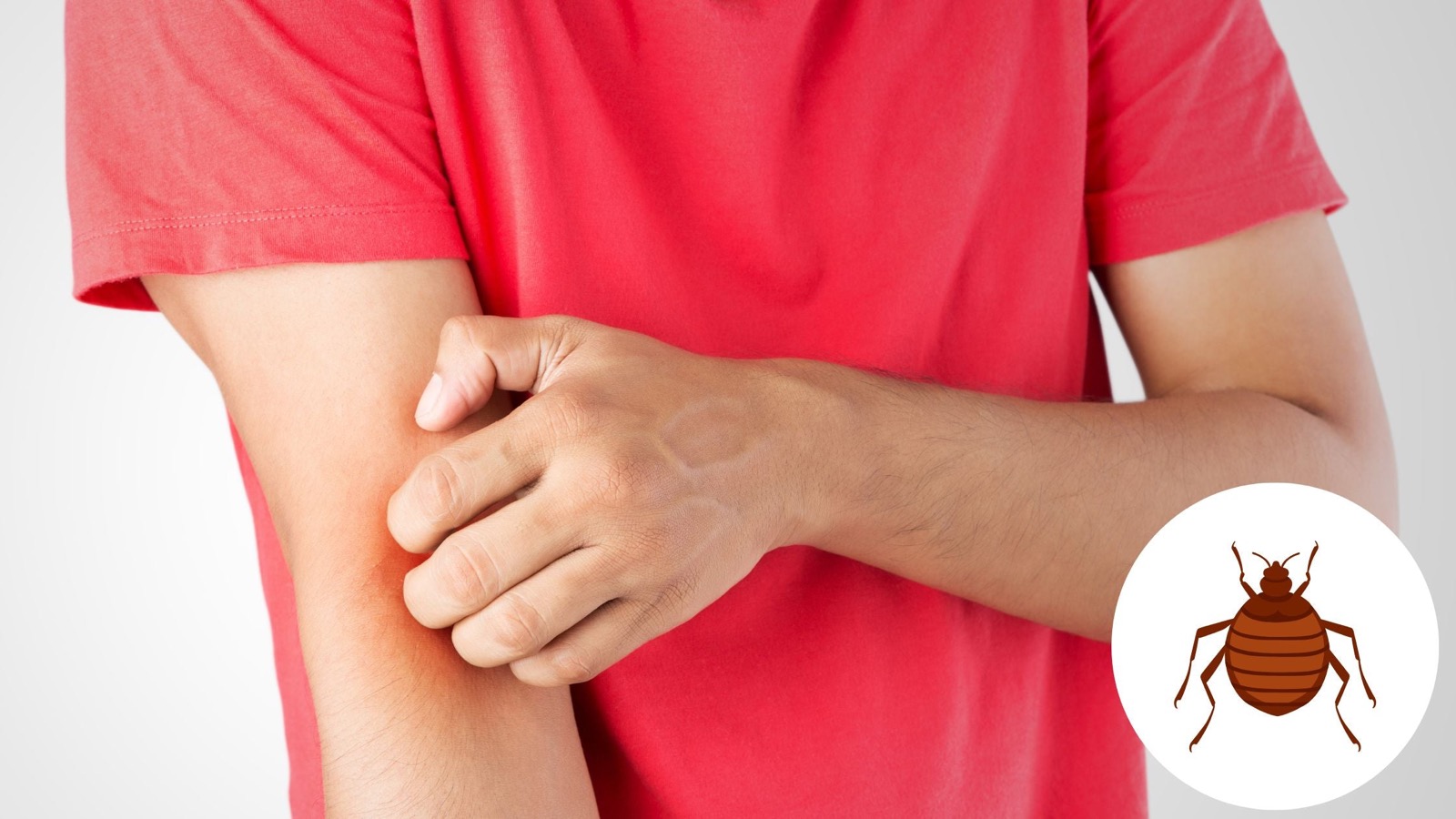
The symptoms of a bed bug bite vary from person to person:
- Intense itching: The skin reaction can last several days.
- Redness: A bed bug bite bump often becomes swollen and painful.
- Allergies: Some people develop more severe reactions.
Treating bed bug bites
Effective bed bug bite treatment relies on:
- Local care: Apply a soothing cream to reduce inflammation.
- Natural methods: A natural bed bug bite treatment may include applying aloe vera or essential oils.
- Medical consultation: In the event of a significant allergic reaction.
How do you get rid of bed bugs?
If you are wondering how to get rid of bed bugs, here are a few key steps:
- High-temperature washing: Wash sheets and clothes at 60°C.
- Thorough vacuuming: Vacuum every nook and cranny.
- Professional treatment: In the event of a severe infestation, a pest control professional is recommended.
Preventing bed bugs
Prevention is essential to avoid an infestation:
- Avoid second-hand furniture: Inspect it carefully before bringing it into your home.
- Use anti-bed bug covers: They prevent the insects from settling in your mattress.
- Check your bedding regularly: Look for signs of their presence, such as small black spots.
Frequently Asked Questions
Discover the answers to the most frequently asked questions about bed bug bites.
How to treat a bed bug bite?
To soothe the skin, start by washing the area with water and soap. Applying a soothing cream or an antihistamine can reduce redness and discomfort. In case of a significant reaction, medical advice is recommended.
Do bed bug bites itch?
Yes, they generally cause itching that can be more or less intense depending on each person's sensitivity. To avoid irritation, avoid scratching and opt for appropriate care.
How long does a bed bug bite last?
The marks can persist for several days, or even up to two weeks, depending on the body's reaction. Good hydration and soothing care can speed up their disappearance.
How to relieve bed bug bites?
The application of cold compresses helps reduce inflammation. The use of antihistamine creams or natural remedies such as aloe vera or baking soda can also be beneficial.
How to differentiate between a mosquito bite and a bedbug bite?
The marks left by these pests are often grouped in lines or clusters, whereas those of mosquitoes are more scattered. They usually appear after waking up and cause persistent itching.