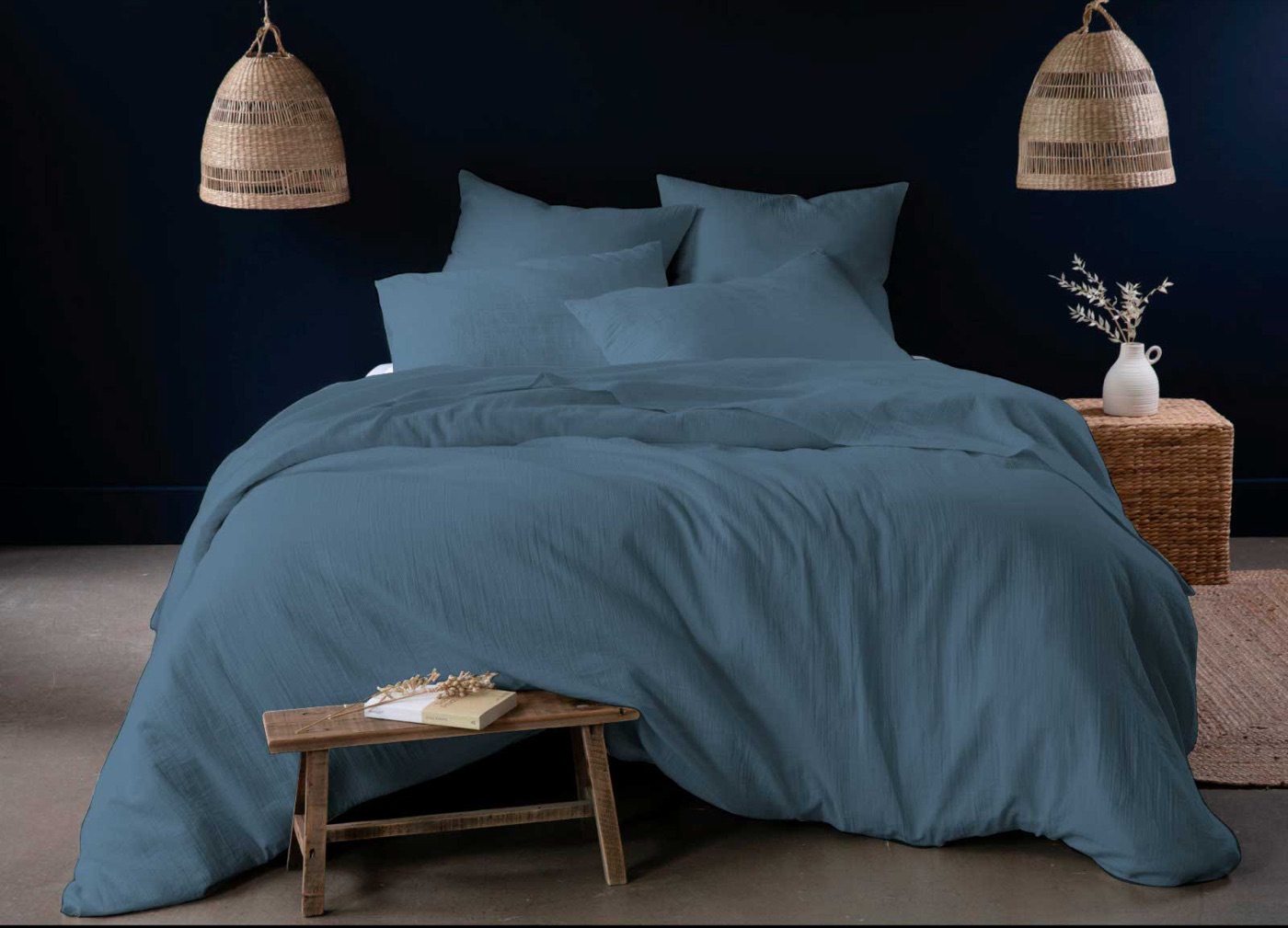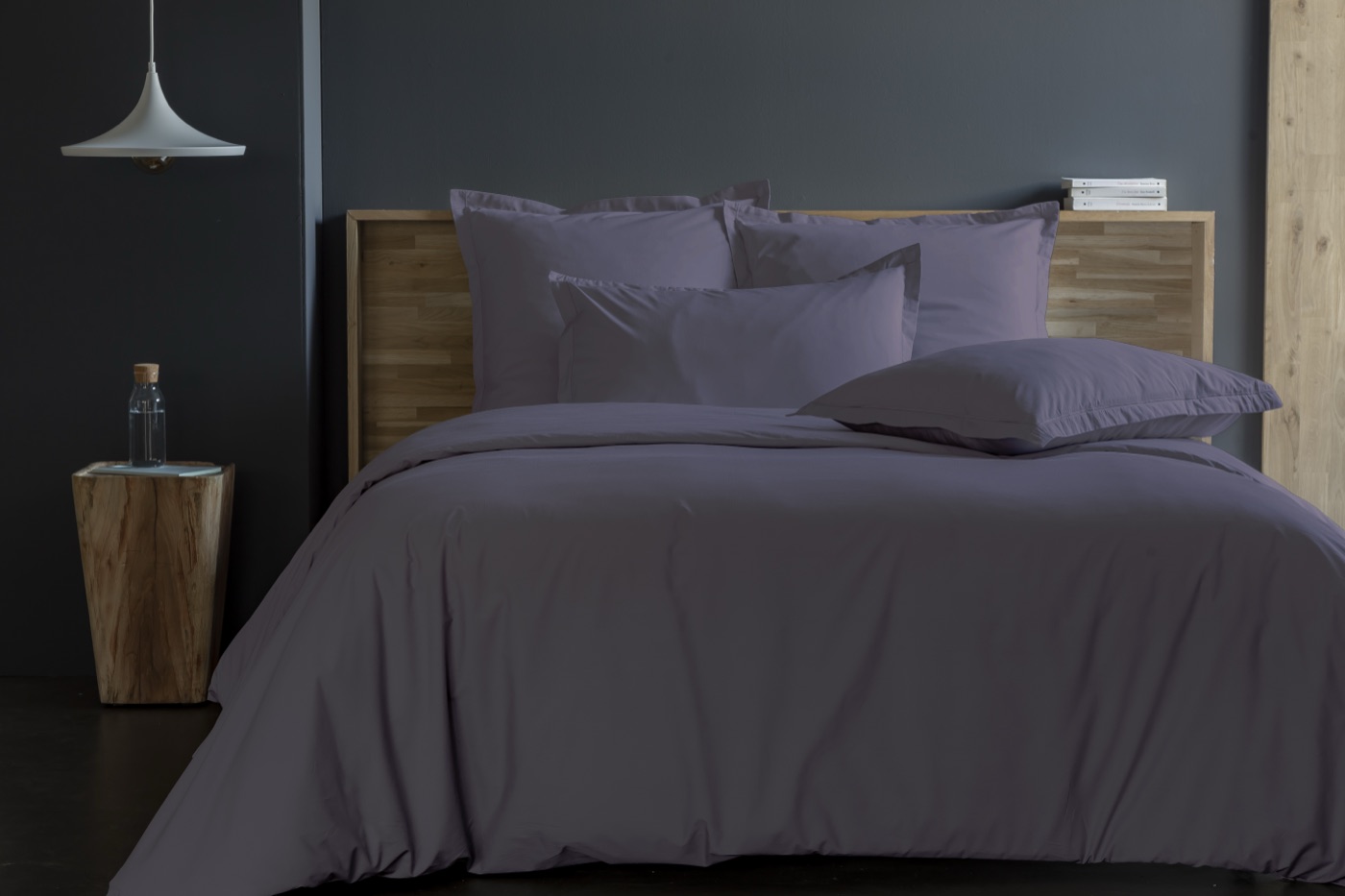
For baby sheets, choose a natural, breathable fibre, which in practice means cotton: percale or jersey all year round, cotton gauze when it is warm, flannel in winter. Also look for a label such as OEKO-TEX Standard 100 or GOTS, and a fitted sheet that matches the mattress size exactly. Here is how to compare these fabrics and what you need to know for healthy, safe sleep.
This article is part of our guide Differences between bed linen materials.
What a baby sheet needs to do
A newborn spends much of the day asleep, cheek against the sheet. Their skin is thin and they are still not good at regulating their temperature. The sheet should therefore tick four boxes:
- Breathe: let air and moisture through to avoid a damp, overheated feeling.
- Be soft: no stiff finish or scratchy fibres.
- Withstand frequent washing: spit-up and nappy leaks mean washing often, sometimes at 60 °C.
- Be safe: free from harmful substances, which certain labels guarantee.
The fabrics to favour
Cotton percale
Percale is a tight, matt weave that feels cool to the touch. It is strong, does not pill easily and handles 60 °C washes well. It is a versatile choice for every season that becomes softer wash after wash.
Cotton gauze
Light, airy and very supple, cotton gauze is popular in summer and for babies who easily get hot. Its natural crinkled look means no ironing. It is a little less hard-wearing than percale, so washing at 40 °C is preferable.
Cotton jersey
Jersey is a knit, like a T-shirt. It stretches, so the fitted sheet hugs the baby mattress perfectly without wrinkles. It is the most common fabric for cot fitted sheets.
Cotton flannel
Brushed on the surface, flannel feels soft and warm straight away. It suits a cool nursery in winter, provided you do not also overdress your baby.
Fabric comparison
| Fabric | Main strength | Season | Usual wash |
|---|---|---|---|
| Cotton percale | Cool, very durable | All year | 40 to 60 °C |
| Cotton gauze | Light, very breathable | Spring, summer | 30 to 40 °C |
| Cotton jersey | Stretchy, fits snugly | All year | 40 to 60 °C |
| Cotton flannel | Soft and warm | Winter | 30 to 40 °C |
Always follow the care label: the maximum temperature also depends on the dye and the making-up.
Organic cotton, OEKO-TEX: which labels to look for?
The OEKO-TEX Standard 100 label certifies that the finished textile has been tested for harmful substances. It includes a product class I for items intended for babies and toddlers up to 3 years old, with the strictest requirements: that is the mention to look for.
Organic cotton, on the other hand, concerns how the fibre is grown (without synthetic pesticides or fertilisers). The GOTS label goes further by also covering processing and dyeing. The two approaches complement each other; to understand the differences, read our article on organic cotton and the GOTS label.
What is best avoided
- Synthetic fibres (polyester, microfibre): they trap heat and sweat.
- Oversized fitted sheets: loose fabric can form folds in which a baby may bury their face.
- Scented sheets or fabric softener: unnecessary and potentially irritating.
- Decorations: ribbons, pompoms or buttons that could come loose.
Safety: the sheet is not everything
Fabric adds to comfort, but safe sleep recommendations come first:
- lay your baby on their back, on a firm mattress that fits the cot or crib;
- no duvet, pillow, cot bumper or soft toys in the bed before 1 year;
- use a baby sleeping bag in the right size rather than a blanket;
- keep the room cool, around 18 to 20 °C.
A flat sheet and blanket are not needed for very young babies: only a taut fitted sheet is useful.
How many sheets and how to care for them
Plan on three or four fitted sheets per bed so you always have a clean one to hand. Change it about once a week, and straight away after spit-up or a leak. Wash new sheets before first use, with a fragrance-free detergent and no fabric softener. As for dimensions, the fitted sheet must match the mattress exactly: see our guide to fitted sheet sizes for a cot.
Perle de coton does not offer sheets in cot sizes. If you like these fabrics for your own bed or for an older child sleeping in a standard bed, discover our cotton gauze bed linen and our cotton percale sheets.
In summary
For baby sheets, cotton is the clear choice: percale or jersey for everyday use, gauze when it is warm, flannel for winter. Favour an OEKO-TEX Standard 100 class I or GOTS label, avoid synthetics and pick a perfectly fitting sheet. And remember that safety mostly depends on how your baby sleeps: on their back, with no duvet or pillow before 1 year, in a sleeping bag.