



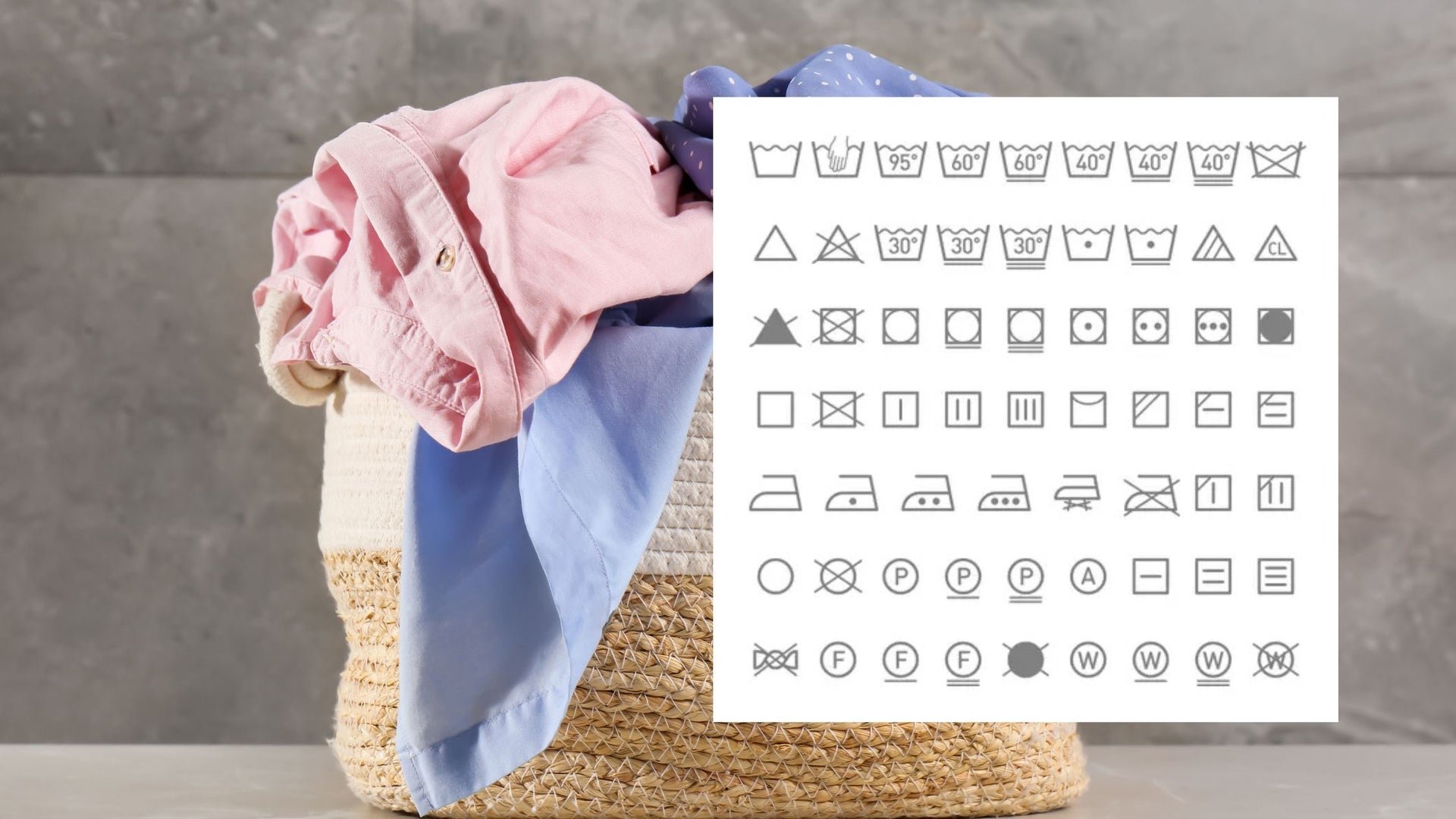
Understanding the washing symbols on the labels of your clothes and linens is essential to preserve their quality and avoid washing mistakes. Whether it's for machine washing, drying, or ironing, the labels contain all the necessary information. In this article, we will help you decipher the washing machine symbols, dryer symbols, as well as the washing pictograms to become an expert in laundry care.
The washing symbols on the washing machine
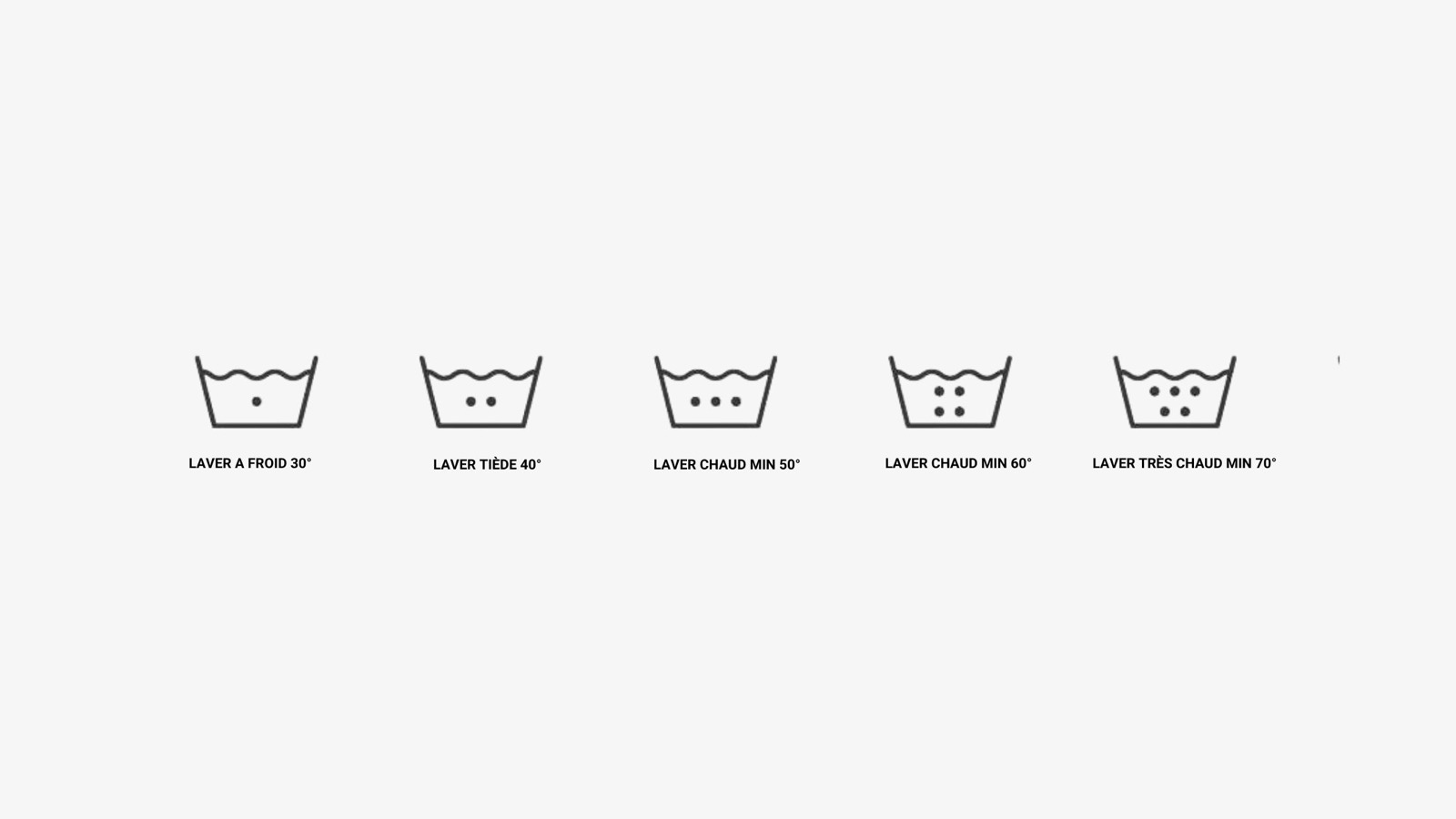
On your clothing or textiles, the washing machine symbol is often represented by a basin filled with water. This pictogram indicates whether machine washing is allowed or not. Here are the different possible options, according to the label on your bed linen:
-
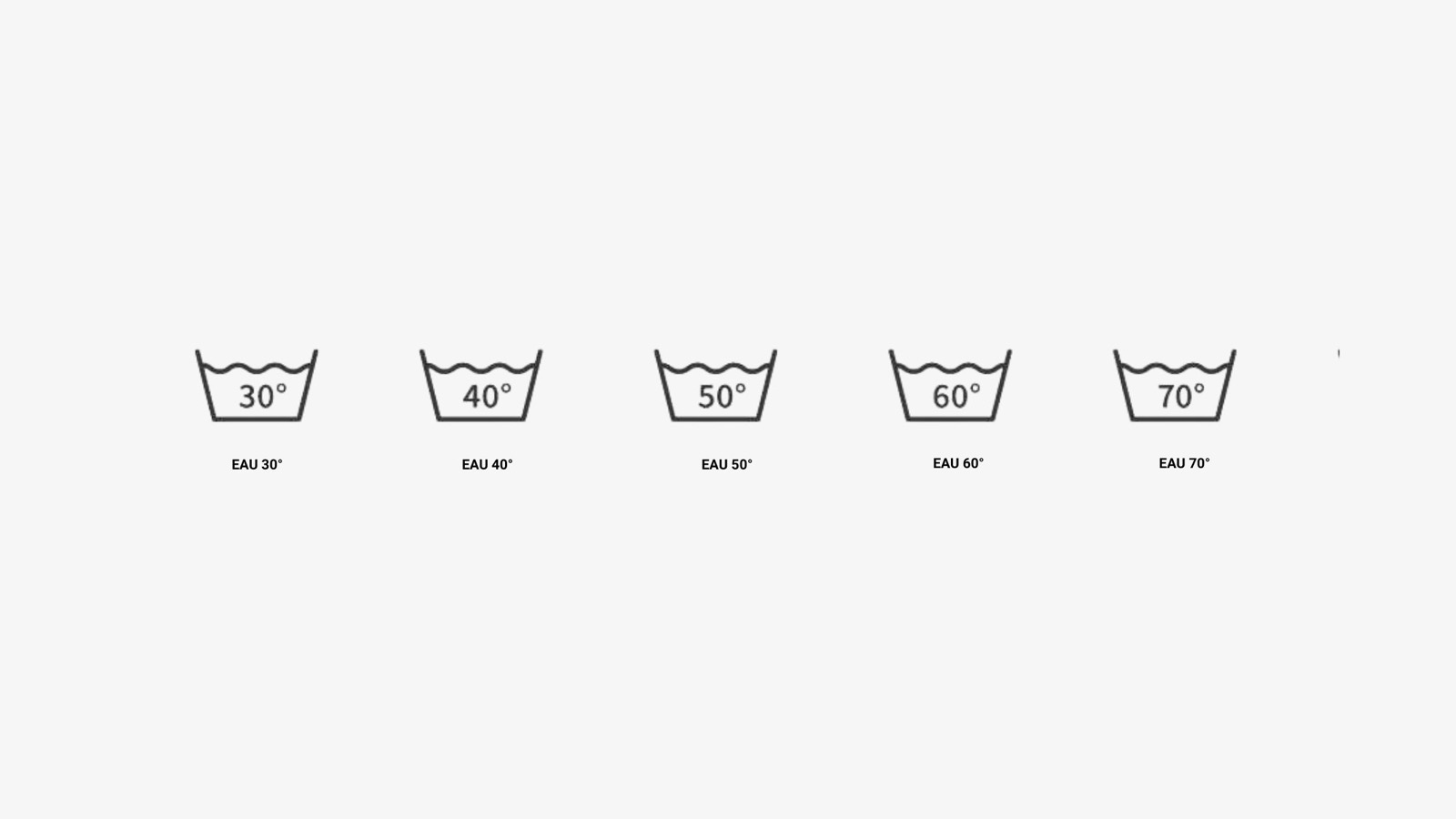
Washing machine symbol (basin filled with water) : This pictogram indicates that machine washing is allowed. If it is accompanied by numbers, this corresponds to the maximum recommended temperature.
-
Washing machine symbol (line under the basin) : A line under the symbol means that a delicate or moderate program should be preferred, suitable for fragile fabrics such as cotton satin or linen.
-
Washing symbol for laundry (crossed basin): If the symbol is crossed out, it means that machine washing is prohibited. For these textiles, choose hand washing or dry cleaning.
-
Hand wash symbol (hand in basin): A hand in the basin indicates that the garment or bed linen should be washed by hand only. This applies to very delicate fabrics.
Drying symbols: how to read the label?
Drying is a crucial step to preserve the appearance of your bed linen. The drying symbols are represented by a square with a circle inside. Here’s how to interpret them:
-
Tumble dryer symbol (circle in a square): A circle in a square without a cross means that the use of the tumble dryer is allowed. The presence of dots indicates the maximum temperature:
- One point: Low temperature drying.
- Two points : Drying at moderate temperature (max. 50°C).
-
Clothes dryer symbol prohibited (crossed circle): If the symbol is crossed out, you must choose air drying or flat drying, especially for delicate fabrics like wool or linen.
-
Flat drying symbol (line in a circle) : Some textiles, such as wool or linen fabrics, must be dried flat to prevent them from deforming or shrinking.
The ironing pictograms
In addition to the washing and drying symbols, it is important to check the ironing instructions on the label:
-
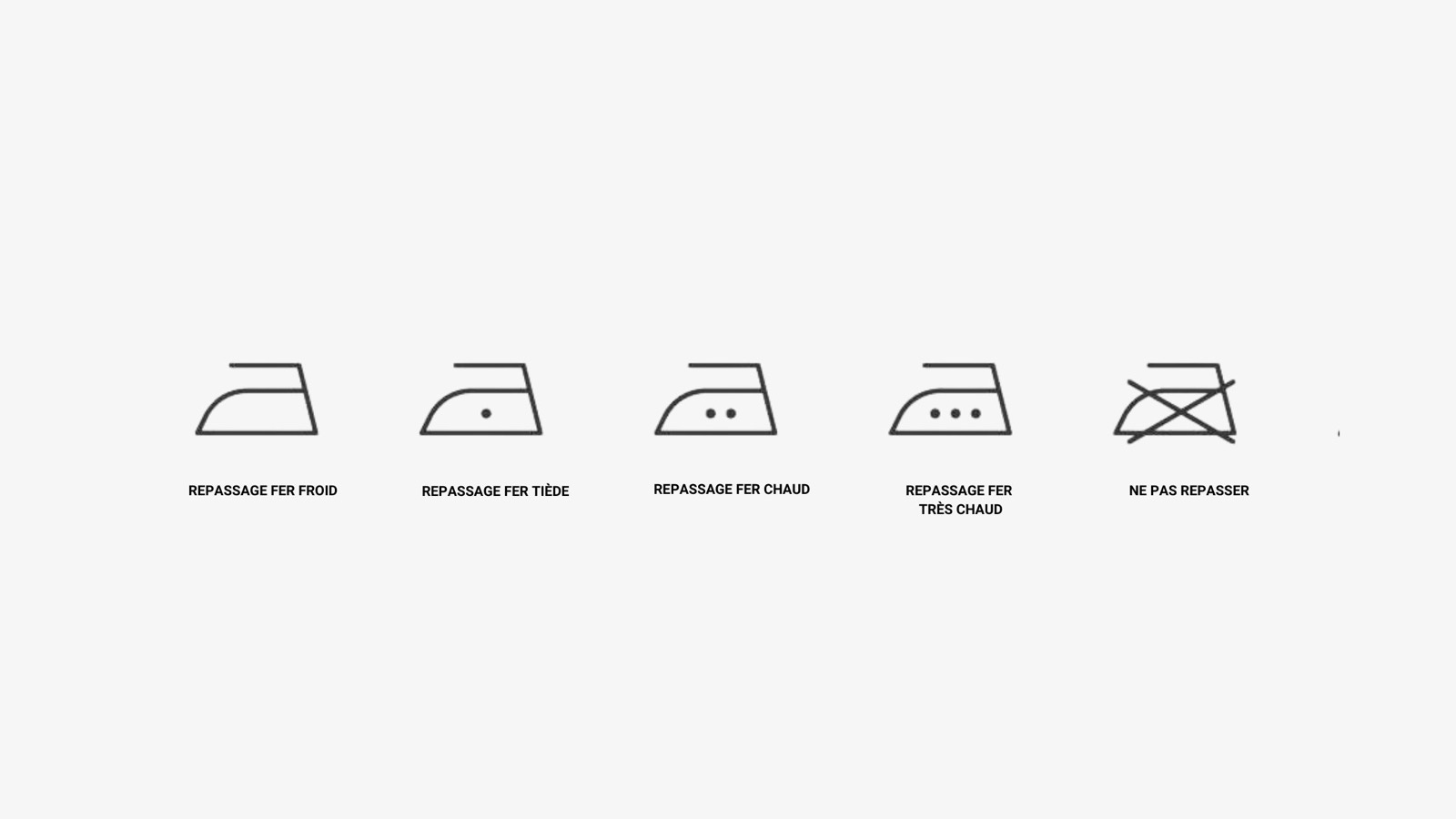
Ironing symbol (iron with dots) : An iron with dots indicates the recommended temperature for ironing:
- One point : Low temperature (up to 110°C).
- Two points : Average temperature (150°C).
- Three points : High temperature (200°C).
-
Ironing prohibited symbol (crossed iron): A crossed iron means that ironing is prohibited for this fabric. To preserve the fiber, it is better not to use an iron.
Read the labels carefully: cleaning and maintenance symbols
Clothing and household linen labels also contain information about bleaching and dry cleaning. Here is what you need to know:
-
Bleaching symbol (triangle): The triangle indicates whether you can use bleaching products like bleach. If this triangle is crossed out, it means that bleaching is prohibited.
-
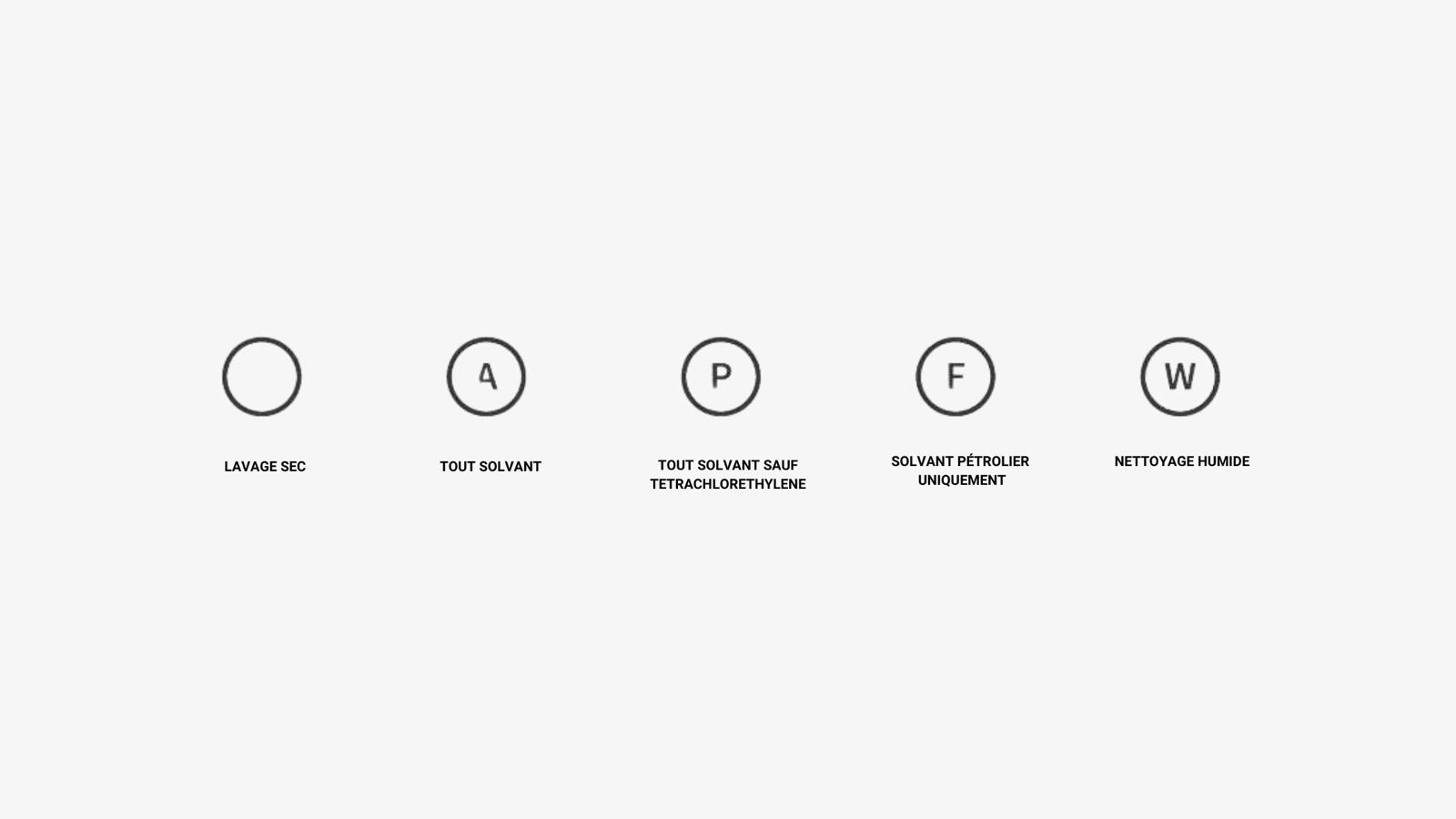
Dry cleaning symbol (circle) : A circle indicates that dry cleaning is recommended to preserve the quality of the fabric. If the circle is crossed out or accompanied by a "P", it means that dry cleaning is possible, but with specific conditions.
Practical guide to deciphering maintenance symbols
Now that you have the basics to understand the washing, dryer, and ironing symbols, you are ready to care for your laundry optimally. The next time you check a label, you will know exactly which programs and temperatures to prioritize. Remember that the washing symbols and washing machine pictograms are your best allies in keeping your bed linen in good condition for longer.
Our practical tips for preserving your bed linen
-
Wash regularly your duvet covers and sheets, but avoid washing them too frequently at high temperatures. A wash at 30-40°C is often sufficient for optimal maintenance.
-
Gentle drying: Prefer air drying or moderate temperature drying to avoid fiber shrinkage. If you use a tumble dryer, make sure the program is suitable.
-
Light ironing: Iron your slightly damp items to facilitate the process and avoid overheating sensitive fibers. For linen fabrics, prefer ironing at a low temperature.
-
Bleaching and dry cleaning: Avoid using bleach to preserve the color and texture of your bed linen. Opt for dry cleaning if necessary for particularly delicate fabrics.
Conclusion
The care symbols on the labels are there to guide you in washing, drying, and ironing your bed linen. By following these recommendations and understanding these pictograms well, you will preserve the quality of your products and extend their lifespan. Proper care ensures both the beauty and longevity of your household linen, especially for delicate products like duvet covers and bath sheets.
Understanding the washing symbols on the labels of your clothes and linens is essential to preserve their quality and avoid washing mistakes. Whether it's for machine washing, drying, or ironing, the labels contain all the necessary information. In this article, we will help you decipher the washing machine symbols, dryer symbols, as well as the washing pictograms to become an expert in laundry care.
The washing symbols on the washing machine
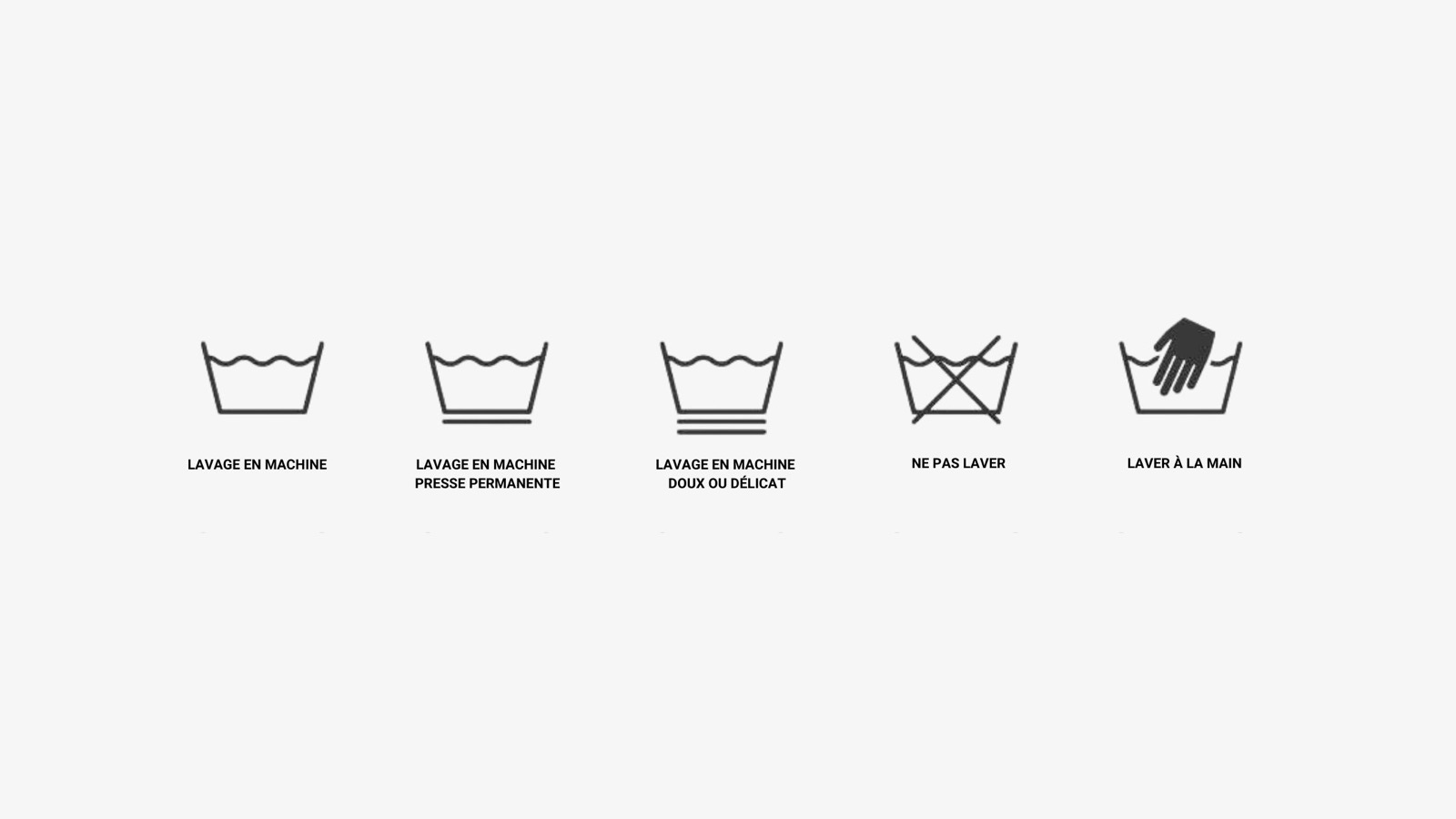
On your clothing or textiles, the washing machine symbol is often represented by a basin filled with water. This pictogram indicates whether machine washing is allowed or not. Here are the different possible options, according to the label on your bed linen:
Washing machine symbol (basin filled with water)
This pictogram indicates that machine washing is allowed. If it is accompanied by numbers, this corresponds to the maximum recommended temperature.
Washing machine symbol (line under the basin)
A line under the symbol means that a delicate or moderate program should be preferred, suitable for fragile fabrics like cotton satin or linen.
Laundry symbol (basin crossed out)
If the symbol is crossed out, it means that machine washing is prohibited. For these textiles, opt for hand washing or dry cleaning.
Hand washing symbol (hand in the basin)
A hand in the basin indicates that the garment or bed linen must be washed by hand only. This applies to very delicate fabrics.
Drying symbols: how to read the label?
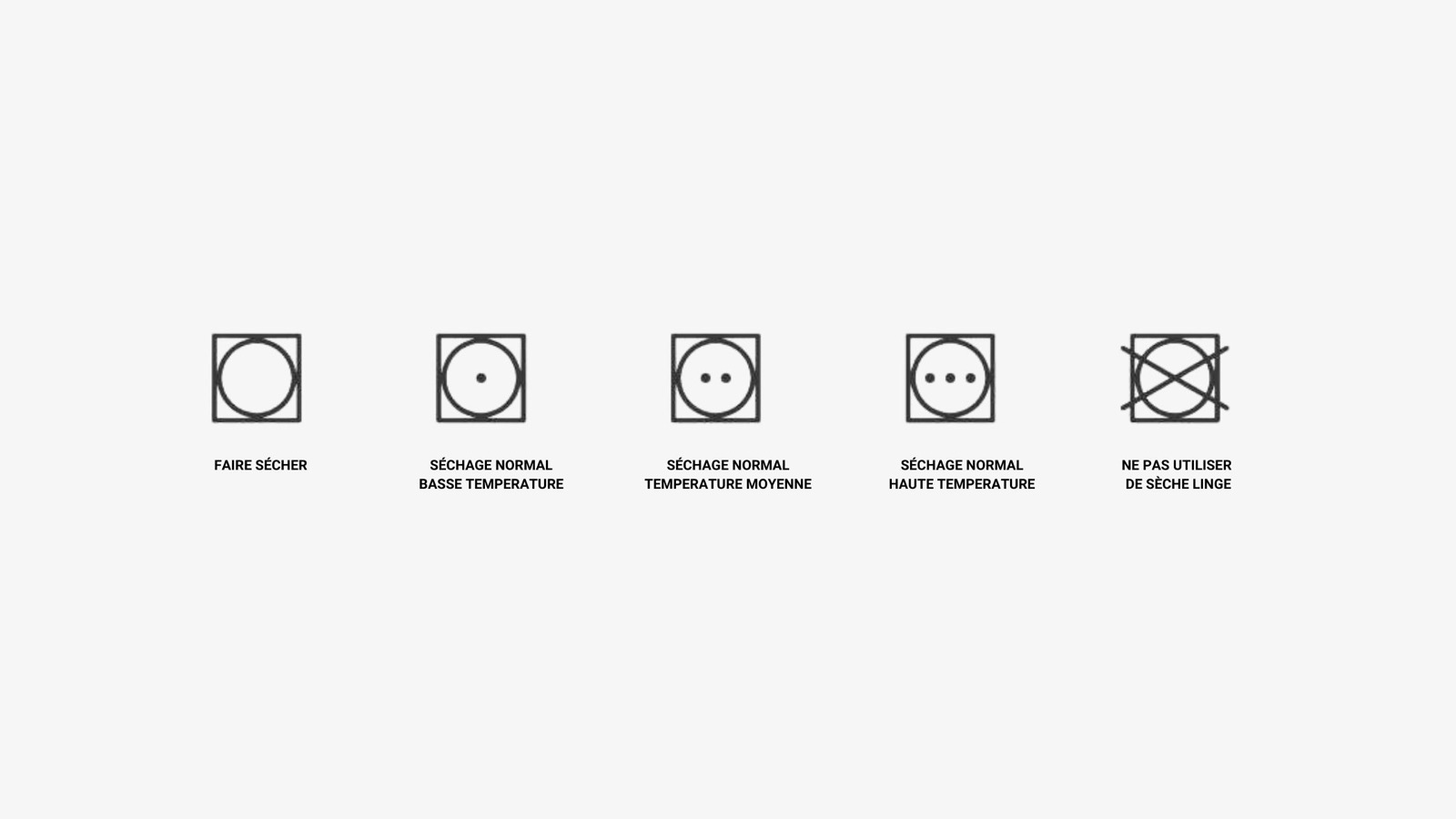
Drying is a crucial step to preserve the appearance of your bed linen. The drying symbols are represented by a square with a circle inside. Here’s how to interpret them:
Tumble dryer symbol (circle in a square)
A circle in a square without a cross means that the use of the tumble dryer is allowed. The presence of dots indicates the maximum temperature:
- One point: Low temperature drying.
- Two points : Drying at moderate temperature (max. 50°C).
Tumble dryer symbol prohibited (crossed circle)
If the symbol is crossed out, you must choose air drying or flat drying, especially for delicate fabrics like wool or linen.
Flat drying symbol (line in a circle)
Some textiles, such as wool or linen fabrics, should be dried flat to prevent them from deforming or shrinking.
The ironing pictograms
In addition to the washing and drying symbols, it is important to check the ironing instructions on the label:
Ironing symbol (iron with dots)
An iron with dots indicates the recommended temperature for ironing:
- One point : Low temperature (up to 110°C).
- Two points : Average temperature (150°C).
- Three points : High temperature (200°C).
Ironing prohibited symbol (crossed iron)
A crossed-out iron means that ironing is prohibited for this fabric. To preserve the fiber, it is better not to use an iron.
Read the labels carefully: cleaning and maintenance symbols
Clothing and household linen labels also contain information about bleaching and dry cleaning. Here is what you need to know:
Bleaching symbol (triangle)
The triangle indicates whether you can use bleaching products like bleach. If this triangle is crossed out, it means that bleaching is prohibited.
Dry cleaning symbol (circle)
A circle indicates that dry cleaning is recommended to preserve the quality of the fabric. If the circle is crossed out or accompanied by a "P", it means that dry cleaning is possible, but with specific conditions.
Practical guide to deciphering maintenance symbols
Now that you have the basics to understand the washing, tumble drying, and ironing symbols, you are ready to care for your laundry optimally.
The next time you check a label, you will know exactly which programs and temperatures to prioritize.
Don't forget that washing symbols and washing machine pictograms are your best allies for keeping your bed linen in good condition for longer.
Our practical tips for preserving your bed linen
Wash regularly
Wash regularly your duvet covers and sheets, but avoid washing them too frequently at high temperatures. A wash at 30-40°C is often sufficient for optimal maintenance.
Gentle drying
Prefer air drying or moderate temperature drying to avoid fiber shrinkage. If you use a tumble dryer, make sure the program is suitable.
Light ironing
Iron your slightly damp articles to facilitate the process and avoid overheating the sensitive fibers. For linen fabrics, prefer ironing at a low temperature.
Bleaching and dry cleaning
Avoid using bleach to preserve the color and texture of your bed linen. Opt for dry cleaning if necessary for particularly delicate fabrics. Discover our bleaching tips for laundry.
Conclusion
The care symbols on the labels are there to guide you in washing, drying, and ironing your bed linen. By following these recommendations and understanding these pictograms well, you will preserve the quality of your products and extend their lifespan.
A suitable care ensures both the beauty and longevity of your household linen, especially for delicate products like duvet covers and bath sheets.