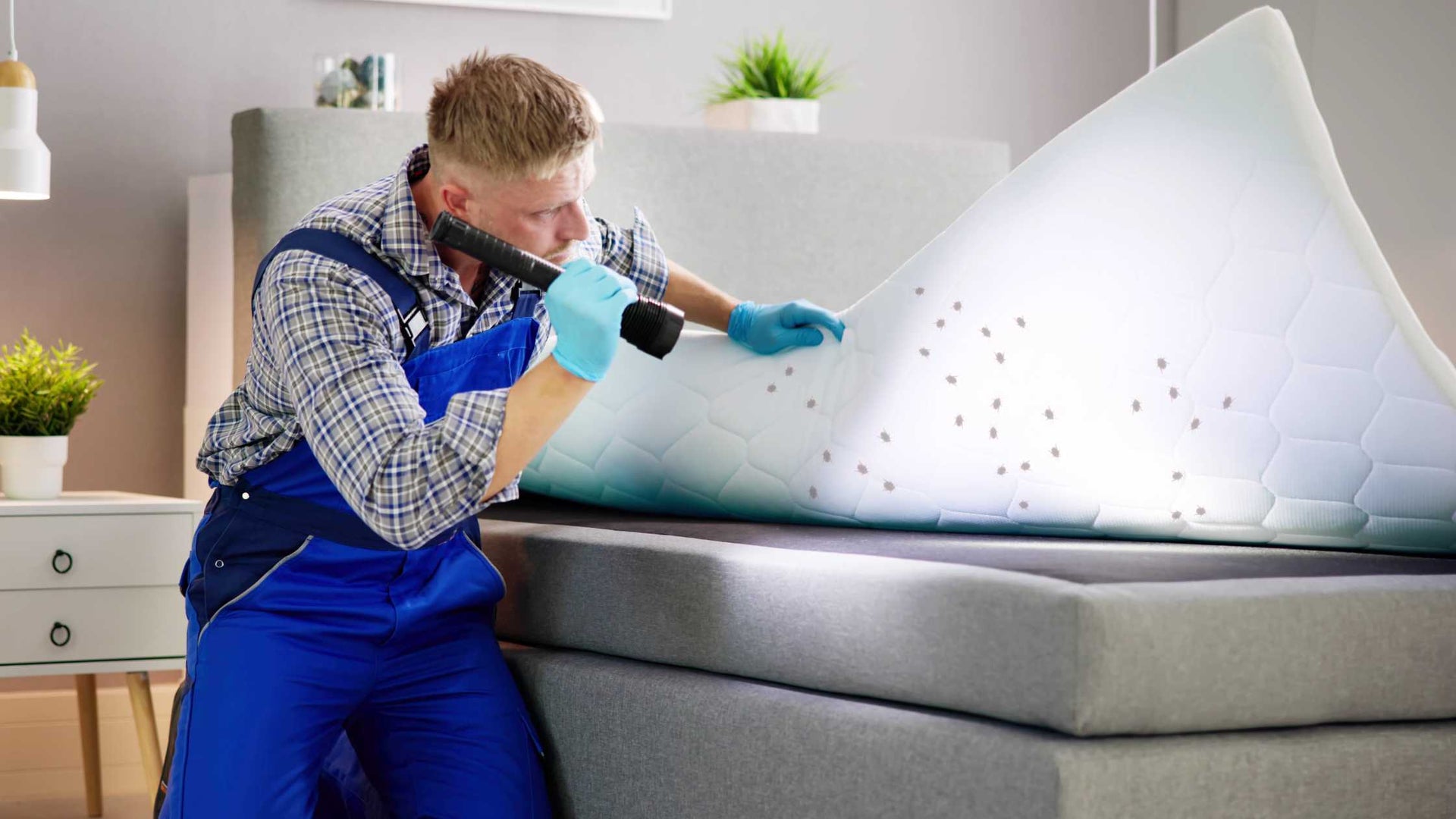
A healthy bed comes down to three habits: washing your sheets every week at 60 °C, protecting the mattress and pillows with washable protectors, and airing the bedroom every day. These habits keep dust mites, built-up sweat and bad smells in check, and help you spot pests such as bed bugs early.
This guide covers everyday bed hygiene and what to do if you find bed bugs or fleas in your bed.
Why bed hygiene matters
Every night, your body sheds sweat and skin cells. They build up in the sheets, mattress and pillows and feed dust mites, tiny organisms behind many respiratory allergies. A well-kept bed means fewer allergens, fewer odours and bedding that lasts longer.
Reducing dust mites day to day
- Wash bed linen at 60 °C every week: this is the temperature that kills dust mites. See how often to wash your sheets.
- Air the bed and the bedroom every morning: pull back the duvet so moisture can evaporate, and open the window for at least ten minutes.
- Keep the bedroom cool and dry: dust mites thrive above 20 °C and in high humidity.
- Protect mattress and pillows with a mattress protector and pillow protectors, washed once a month.
- Wash duvets and pillows twice a year.
Browse our mattress protectors and pillow protectors, and our anti-dust mite bed linen.
Cleaning your mattress
You can't wash a mattress, but you can look after it: vacuum it every month, turn it over if its design allows, and spot-clean any stains. Our article cleaning a mattress with hydrogen peroxide explains how to do it without damaging it.
Bed bugs: how to spot them and what to do
Bed bugs are small brown insects that hide in mattress seams, the bed base and cracks around the bed, and bite at night. Three signs should raise the alarm:
- Bites in clusters or lines when you wake up: see bed bug bites.
- Marks: black spots or small bloodstains on the mattress: see signs of bed bugs on a mattress.
- Eggs: whitish eggs in the seams: see bed bug eggs.
If you have an infestation, wash all bed linen at 60 °C or more and tumble dry it on high heat, vacuum the mattress and bed base thoroughly, and use a full mattress encasement. If the bed bugs persist, call in a professional: a suitable preventive and curative treatment is often needed to get rid of them for good.
Fleas or bed bugs?
Fleas jump and most often come from pets; bed bugs don't jump and stay hidden close to the bed. The treatment is different: see how to get rid of fleas in your bed.
Bed linen for sensitive skin
For people with allergies or sensitive skin, OEKO-TEX certified cotton bed linen, free from harmful substances and washed often at 60 °C, is the best choice. See which fabric for sensitive skin and allergies and the OEKO-TEX label.
In short
Sheets washed every week at 60 °C, a cool, well-aired bedroom and washable protectors for the mattress and pillows: these simple habits are all it takes to keep a bed healthy. Watch out for bites or marks on the mattress so you can act fast if bed bugs appear. For detailed care advice, see our guide to caring for household linen.