Dilute a glass (about 200 ml) of 3% hydrogen peroxide in 5 litres of hot water, soak the white laundry for 30 minutes to 2 hours, then wash it as usual. In the machine, 100 ml poured straight into the drum is enough to brighten whites at 40 or 60 °C. Hydrogen peroxide releases active oxygen that lifts discolouration without chlorine.
This article is part of our guide Household Linen Care: The Complete Guide.
It is one of the most effective methods in our guide to whitening laundry, provided you respect the concentration and never combine it with other products.
What you need
- 3% hydrogen peroxide (sold in France as "10 volumes"), the kind sold in pharmacies.
- Gloves: recommended at 3%, essential together with glasses for stronger solutions (6% or 9%), which must always be diluted.
- A plastic basin and hot water, around 40 °C.
- Your usual detergent.
Step by step
- Read the care label and test the hydrogen peroxide on a hidden area: it can lighten embroidery or coloured piping.
- Put on gloves, pour 5 litres of hot water into the basin, then add a glass of 3% hydrogen peroxide.
- Immerse the white laundry fully and leave it for 30 minutes for dull whites, up to 2 hours for yellowed laundry.
- Wring and machine-wash with your detergent, at 60 °C for white cotton sheets if the label allows it, 40 °C otherwise.
- Without soaking, pour 100 ml of hydrogen peroxide straight into the drum, onto the laundry, in addition to the detergent.
- Air-dry, and store the bottle closed, away from light and out of children's reach.
On a yellowed stain (collar, sweat ring), apply neat 3% hydrogen peroxide, or a paste of baking soda and hydrogen peroxide, leave for 15 minutes and rinse before washing. On a blood stain, rinse first in cold water.
Hydrogen peroxide or percarbonate?
| Criterion | 3% hydrogen peroxide | Sodium percarbonate |
|---|---|---|
| Form | Liquid | Powder that releases hydrogen peroxide in water |
| Effective temperature | From lukewarm water, better at 40 °C | From 40 °C, ideally 60 °C |
| Typical dose | 200 ml per 5 litres, 100 ml in the machine | 1 to 2 tablespoons |
| Best use | Spot stains, small soaks | Large loads of laundry |
By fabric
- White cotton (percale, sateen): perfectly suited, for soaking and machine washing.
- Terry cotton: ideal for brightening white towels and bathrobes from your bath linen, which grey quickly.
- White or ecru linen: at 3%, diluted, without exceeding 2 hours of soaking.
- Silk and wool: follow the label strictly; if there is no indication, take them to a professional rather than risk a soak.
- Colours and synthetics: risk of discolouration, always test on a hidden area first.
Mistakes to avoid
- Mixing hydrogen peroxide and bleach: the reaction is vigorous and cancels out both products. More generally, bleach is never mixed with an acid, vinegar or ammonia, which release toxic gases.
- Combining hydrogen peroxide and vinegar in the same container: the mixture forms a corrosive acid. Use them separately, in different washes.
- Using high-strength hydrogen peroxide undiluted and bare-handed: it strongly irritates skin and eyes.
- Pouring it neat onto coloured fabric: it leaves permanent pale marks.
- Keeping a bottle that has been open for a long time or exposed to light: hydrogen peroxide breaks down and loses its effectiveness.
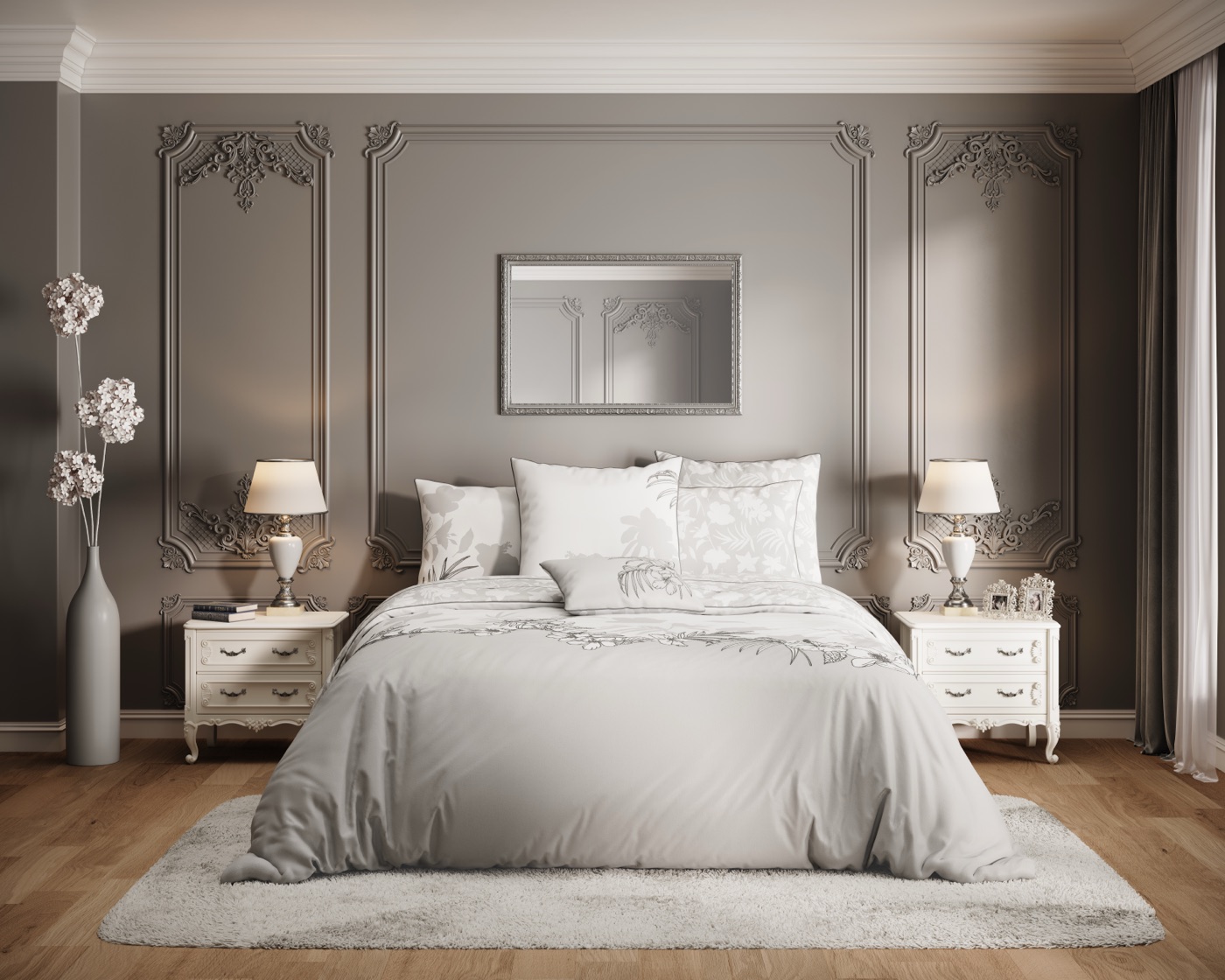
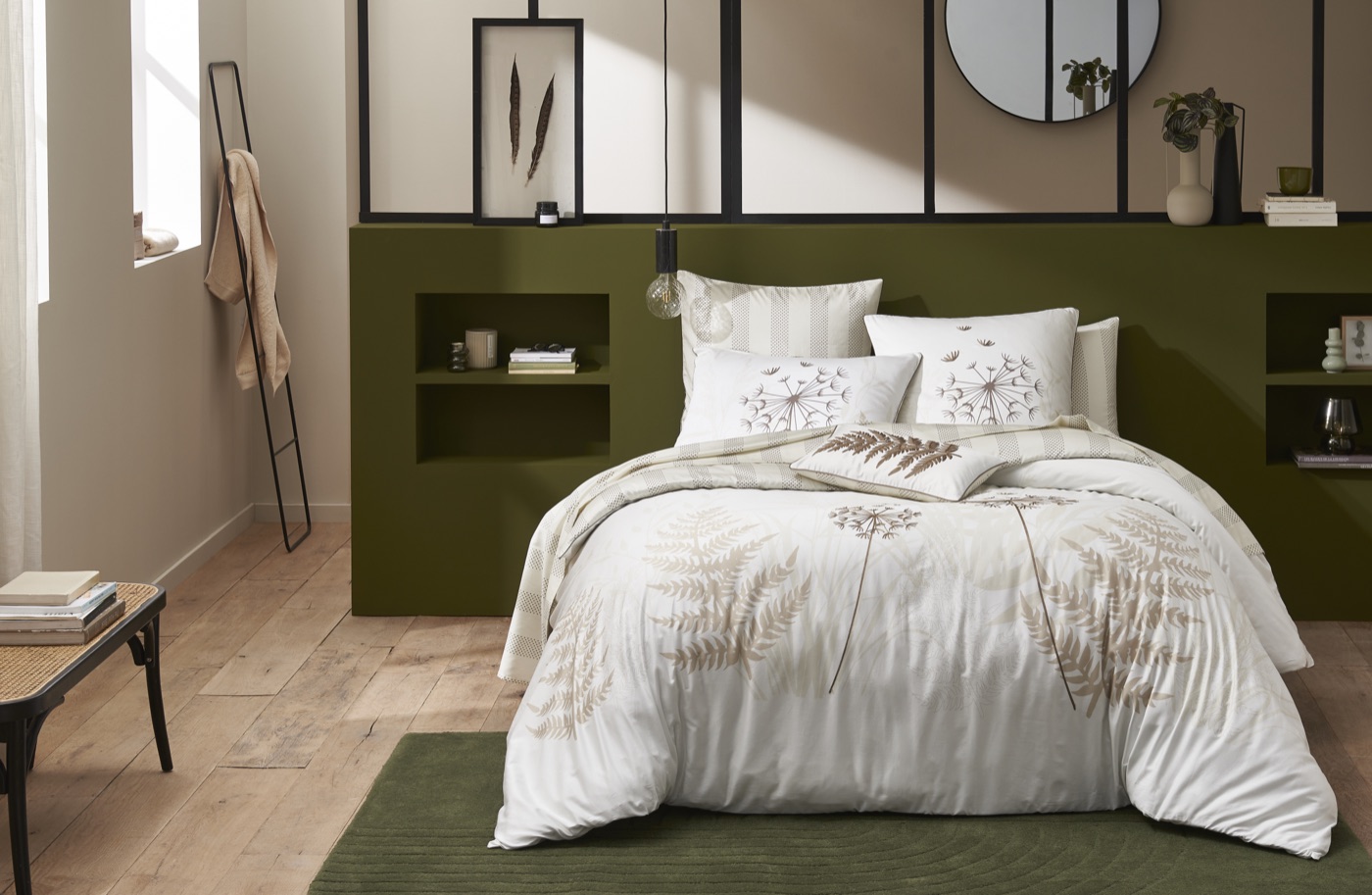
An all-white bed lends itself well to this treatment: a white duvet cover in cotton regains its brightness with an occasional hydrogen peroxide soak followed by a 60 °C wash.
Frequently asked questions
Does hydrogen peroxide damage fibres?
At 3% and diluted, not for cotton and linen. The risks come from high concentrations, overly long soaks and coloured or delicate fabrics.
Can you use hydrogen peroxide on a mattress?
Yes, by dabbing without soaking it; the full method is in our article on cleaning a mattress with hydrogen peroxide.
What is the difference with sodium percarbonate?
Percarbonate releases hydrogen peroxide when it meets hot water: the same principle, but as a powder, more practical for a full machine load. See our article on sodium percarbonate.
In summary
A glass of 3% hydrogen peroxide in 5 litres of hot water for a soak of 30 minutes to 2 hours, or 100 ml in the drum: an effective way to whiten laundry without chlorine. Wear gloves, test on a hidden area, never mix it with bleach or vinegar, and store it away from light.